
Arctic dreams
A trip to the northernmost city in the US

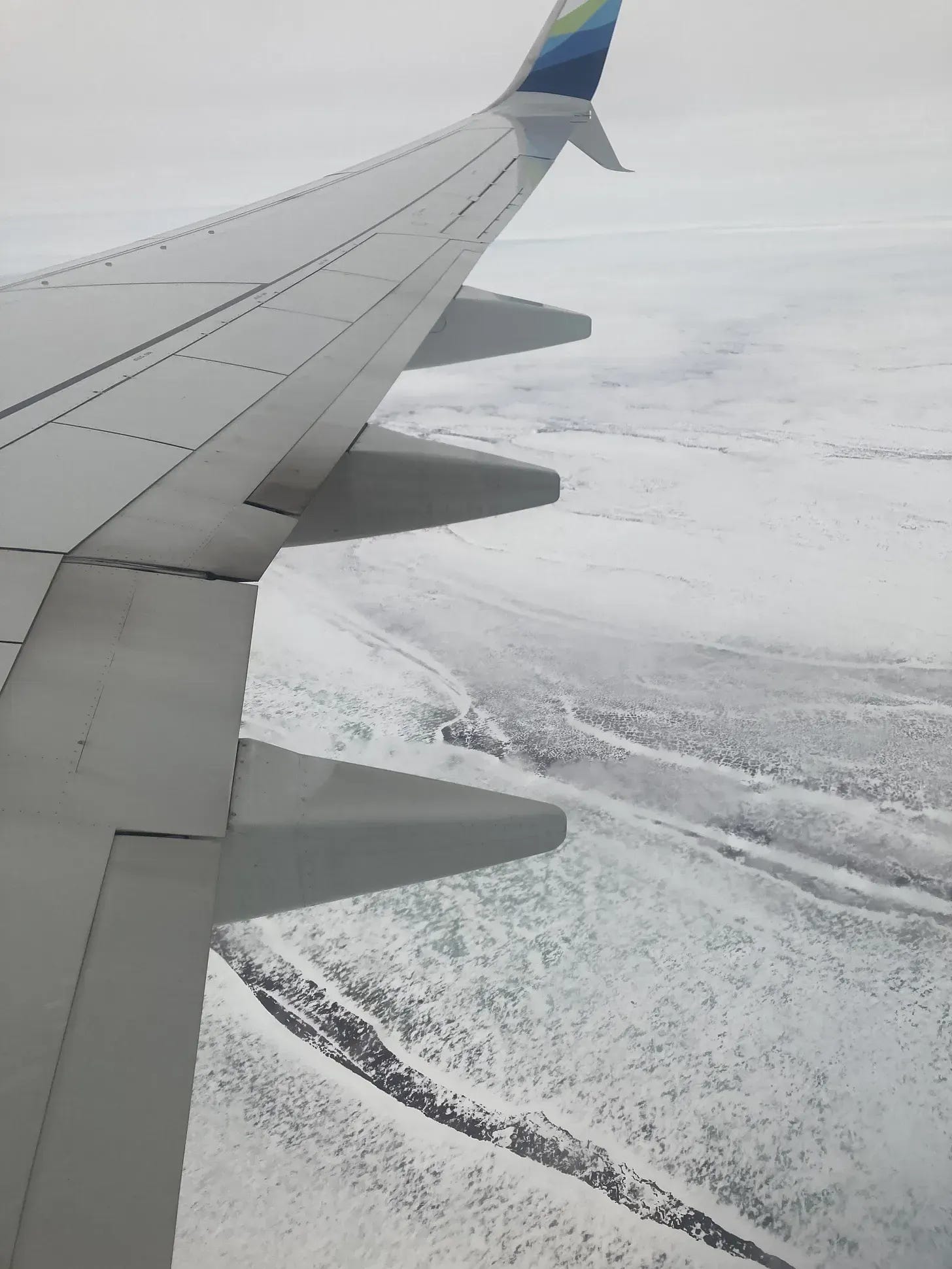
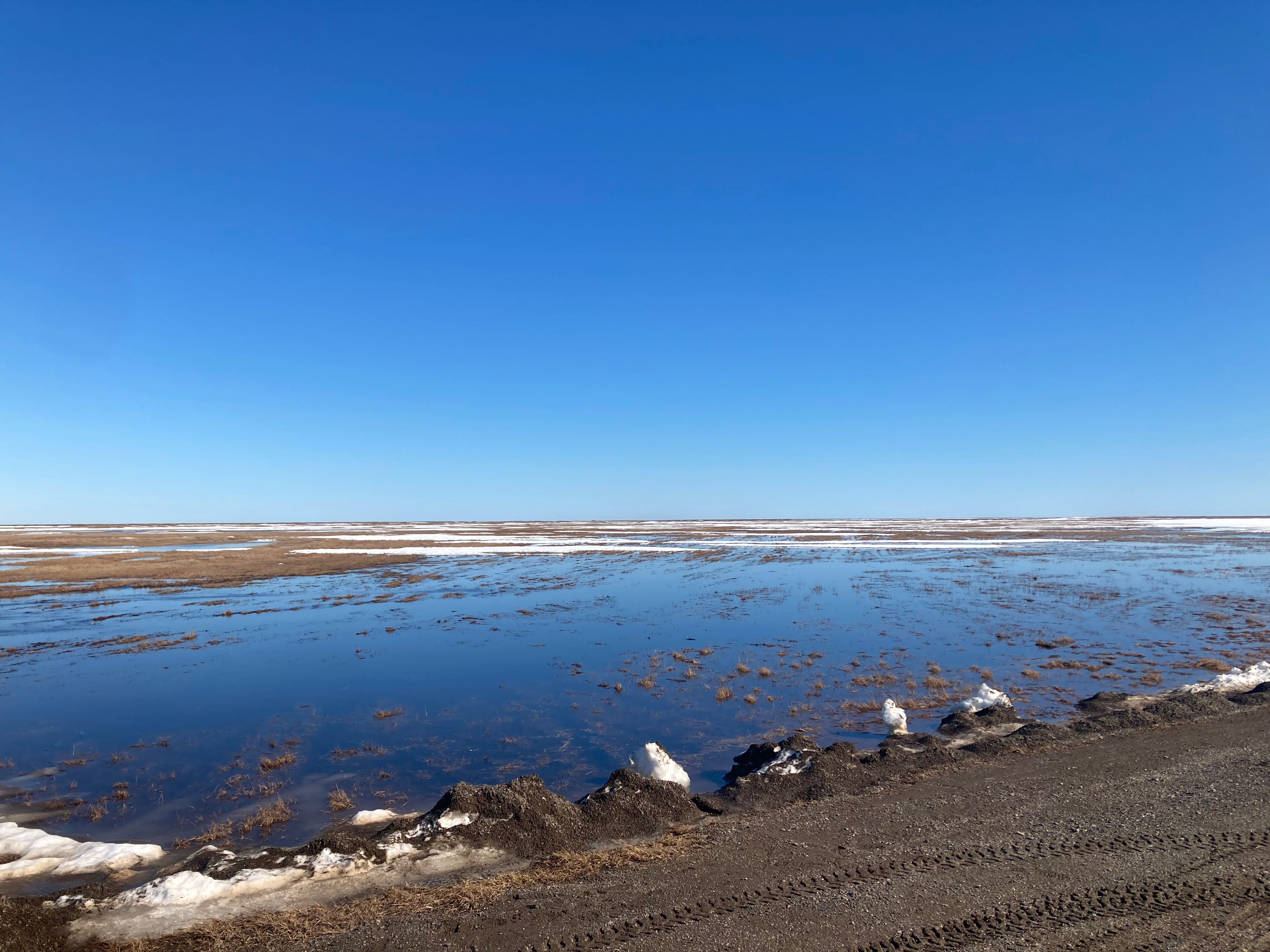
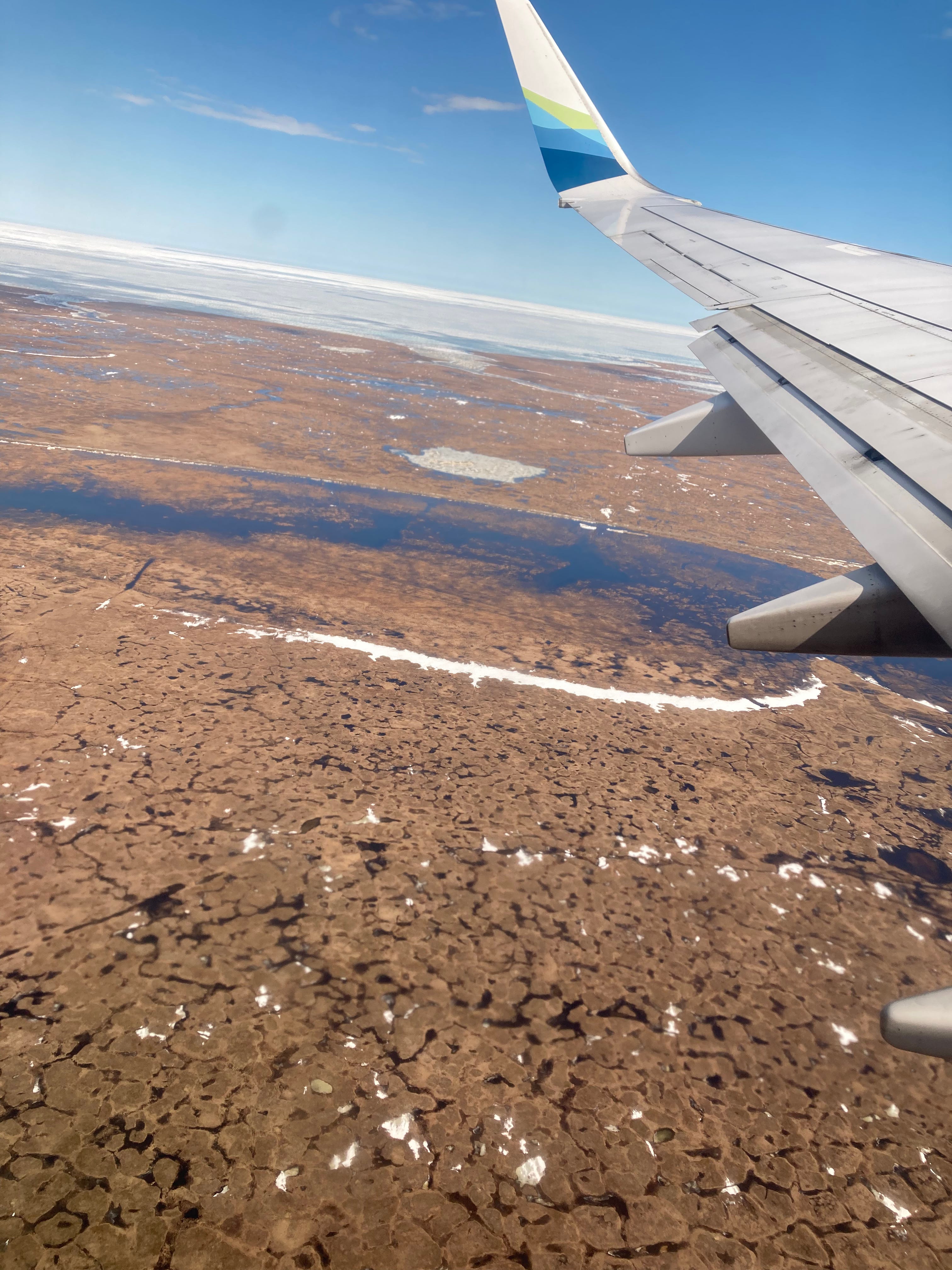
As I flew into the town of Utqiaġvik last month—the northernmost settlement in the United States—the Arctic tundra looked entirely frozen. I’d never seen a landscape like it. But where was I going to find birds there?
I imagine the tundra is not a place most people think to visit. It stretches across the high Arctic, a vast treeless landscape where only tiny, hardy plants survive. A place of extremes—weeks of continuous daylight in the summer or total darkness in the winter. But many birds, from snowy owls to sandpipers, nest only there.
With my wife Angie and two birding friends, we were going to spend five days in Utqiaġvik, part of a longer trip to Alaska for the wedding of Angie cousin’s, who lives in Homer. Formerly known as Barrow and still often called that, the town of 5,000 is visited by birders for its variety of nesting shorebirds and the chance to see all four species of eider ducks—king, common, Steller’s, and spectacled. Several birding tour companies go there, of which at least one was on our flight. We planned our own trip. We booked a hotel and car, and requested a birdwatching permit from the Ukpeaġvik Iñupiat Corporation (UIC), the Alaska Native company that owns the land and most of the businesses in town. We flew in on a Monday, right after the weekend’s fourth annual Utqiaġvik Migratory Bird Festival.
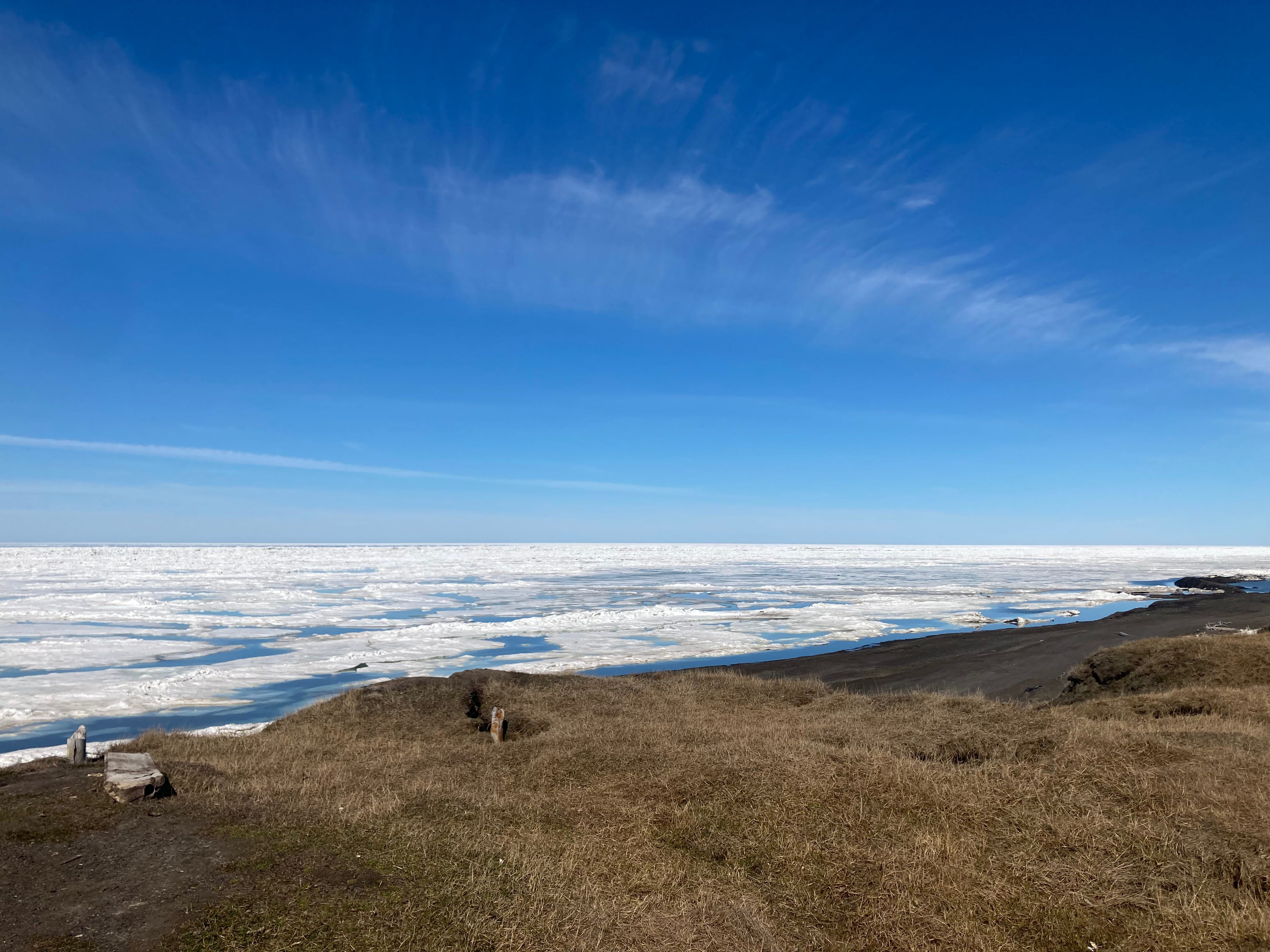
As it turns out, our timing was good. As we landed, I could see the tundra was opening up along the coast. It was above freezing, and over the next five days, the temperature would climb into the mid-40s, balmy for Utqiaġvik. It had been a late thaw. One scientist we met said it had been the latest snowmelt he’d witnessed in more than 50 years.
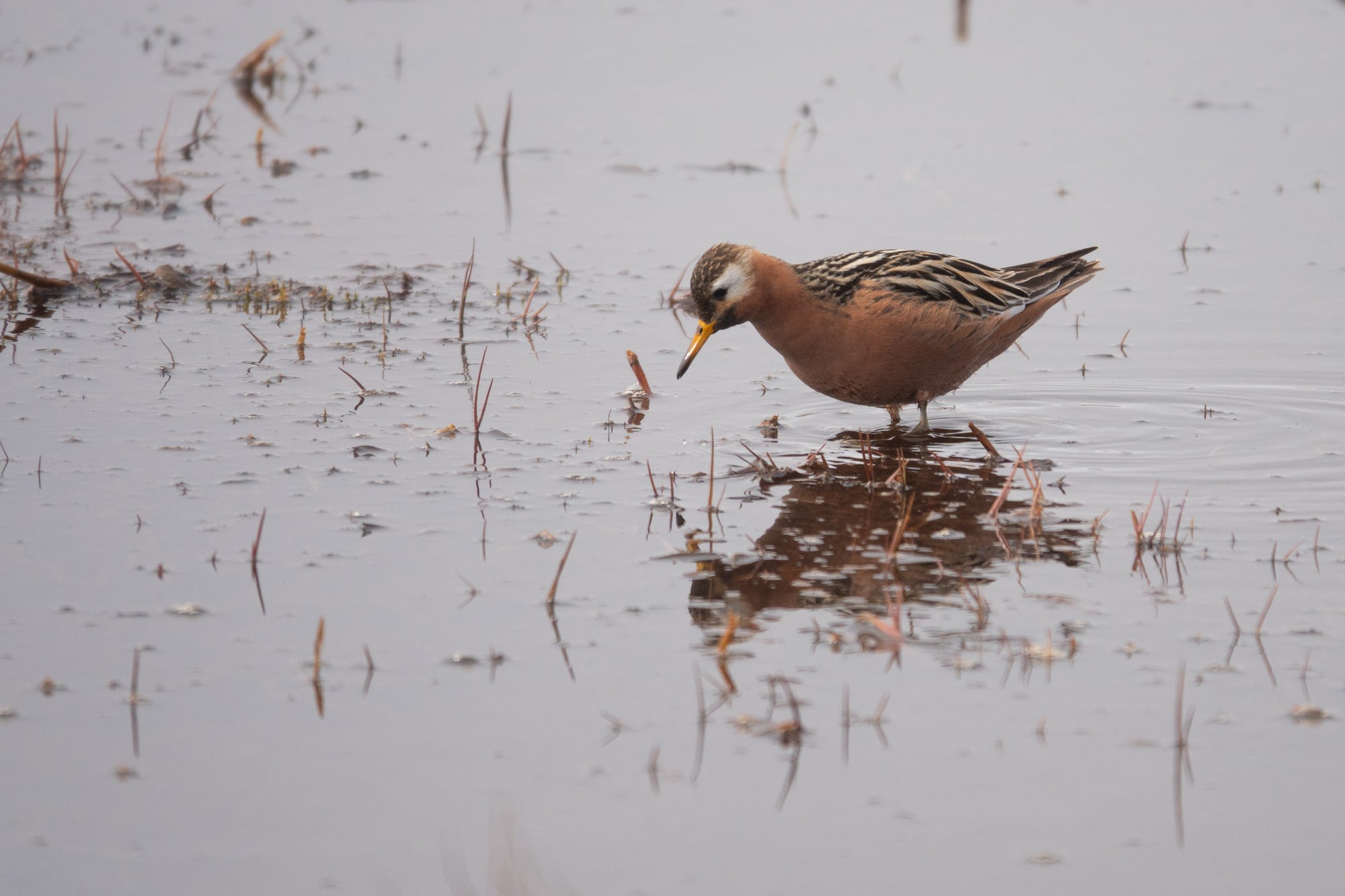
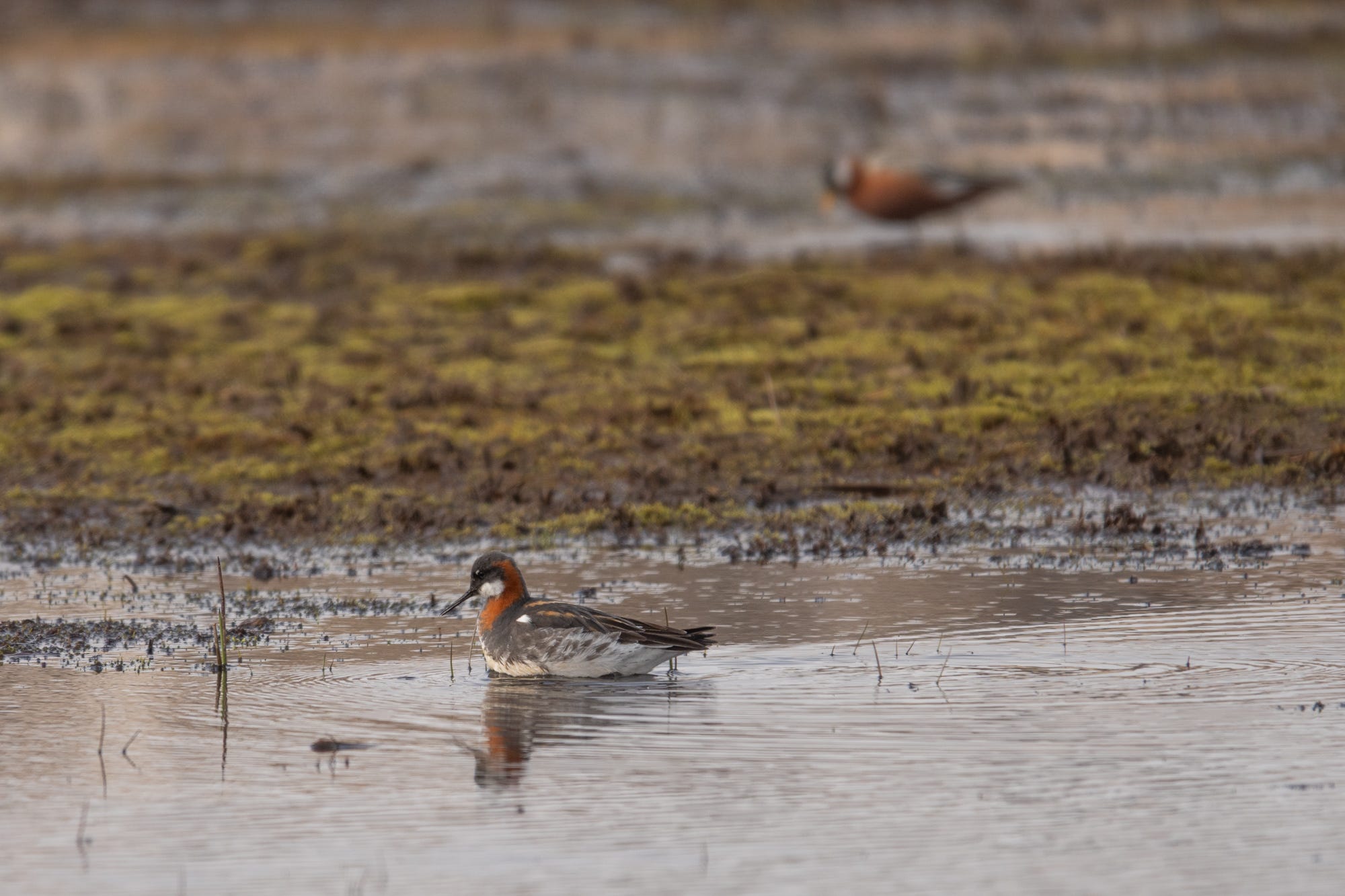
I knew we’d be driving dirt roads around the tundra, but I didn’t quite realize that the boundary between the town and tundra were notional, that birds would be everywhere. My friend Karen and I left the airport terminal—a small room in a metal hangar—and walked to the car rental shop, also owned by UIC. In a few puddles beyond a couple of banged-up, muddy SUVs, were pairs of red phalaropes and red-necked phalaropes. It seemed puddles were suitable habitats when the tundra was opening up.
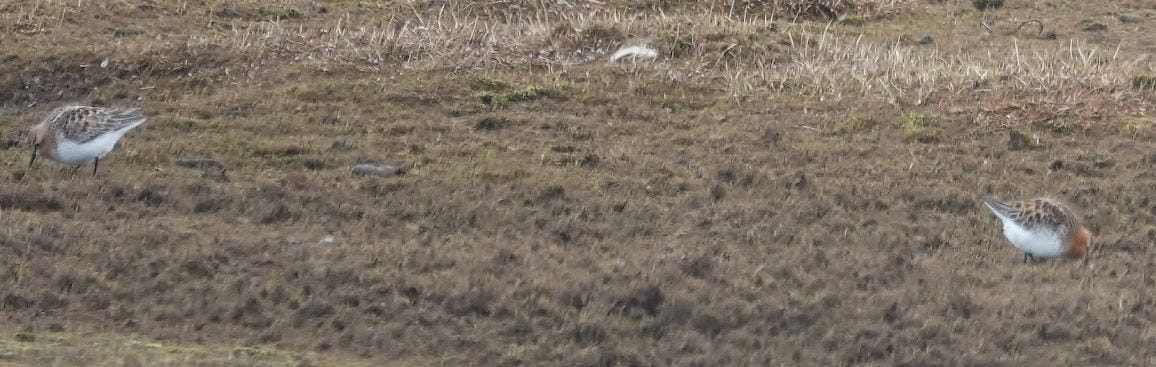
I’d never seen a red phalarope. Until the breeding season the birds spend most of the year on southern oceans, rarely coming inland. Here was a pair only a stone’s throw away. It was a male and female, which I could tell by the fact that the female was more colorful and larger than the male. Phalaropes reverse the usual sex roles in birds; females lead the courtship and the males incubate the eggs and raise the young. Females will choose several mates, too. The female was stunning up close: her burnt-red body contrasted with a dark back and cap, and her white mask gave her a bleached-Zorro look. The female red-necked phalarope was also beautiful: a crimson neck, dark head, and fine, black bill.
I watched them frantically spin around those puddles, their quite hilarious way of bringing small invertebrates to the surface. Two more shorebirds, a dunlin and semipalmated sandpiper, flew in to join them. Looking across the road, a pair of northern pintails, slender, elegant ducks, swam in a slip of water hardly bigger than my bathtub. I had come to a special place, I thought.
Karen had to pull me away from the puddles; the trip was only getting started! Over the next five days, we’d end up seeing about five hundred red phalaropes.
We found our rental car, a years-old Ford Escape—one of those banged-up SUVs. A crack ran across the width of its windshield, the inside was covered with a thin layer of dirt, and a white glaucous gull feather sat on the driver’s seat. Inside the rental-car office, I had noticed a sign that said returning a vehicle dirty or damaged would incur a $50 fine. “What would that look like?” I wondered. Our car, we soon found out, didn’t lock, and one of the back doors didn’t open from the inside. None of this was a big surprise. The town, I learned, receives two barges a year with supplies. Around many houses were broken-down snowmobiles and other machines. Nobody is paying to discard of them. What comes in rarely goes out.
This was going to be an adventure.
Most shorebirds, like those phalaropes, make unbelievable migrations, back and forth from the Southern to Northern Hemispheres each year, and to me that was the draw of seeing them here. It was a chance to close the loop on my understanding of these species. I had seen them in migration in New York, often at Jamaica Bay Wildlife Refuge, and I had seen them in flocks, but now I could watch them show their individual qualities on their breeding grounds.
There was no time to waste. We drove one of the main roads north of town, the sea ice to our left and tundra to our right. One of our first stops was a scrap of watery tundra next to the old landfill. On mudflats or in little streams were several kinds of sandpipers: western, white-rumped, ruddy turnstone. No more than a minute after we were taking stock of what was there, in flew a red-necked stint, followed by another.
Naturally we were ecstatic. This tiny sandpiper, which normally breeds in the Russian Arctic, had been on our radar, with individual sightings going back a few weeks. Small numbers cross the Bering Strait to breed in western Alaska, so this was a species that visiting birders hope to find after traveling all this way. The stint was the size of a western or semipalmated sandpiper, maybe six inches across, with a pretty red wash on its head and neck. Shorebirds pop this time of year. Red-necked stints are hardy little birds, too. They arrive in the Arctic when it’s basically still frozen, after migrating more than 6,000 miles from Australasia or Southeast Asia. They stop only a handful of times on their journey, according to Birds of the World, and may make at least one continuous flight of over 100 hours, covering at least 2,000 miles, or the equivalent of New York to Salt Lake City.
What we didn’t know at the time was that we wouldn’t come across a few of these species again. With 24-hour daylight, and temperatures north of freezing, the snow was beginning to melt rapidly, freeing up more ground for birds to claim. Shallow lakes and streams were growing by the hour. For the birds, time was of the essence; many adult shorebirds, once their chicks fledge, begin their migration south as early as July, less than two months after arriving on the tundra.
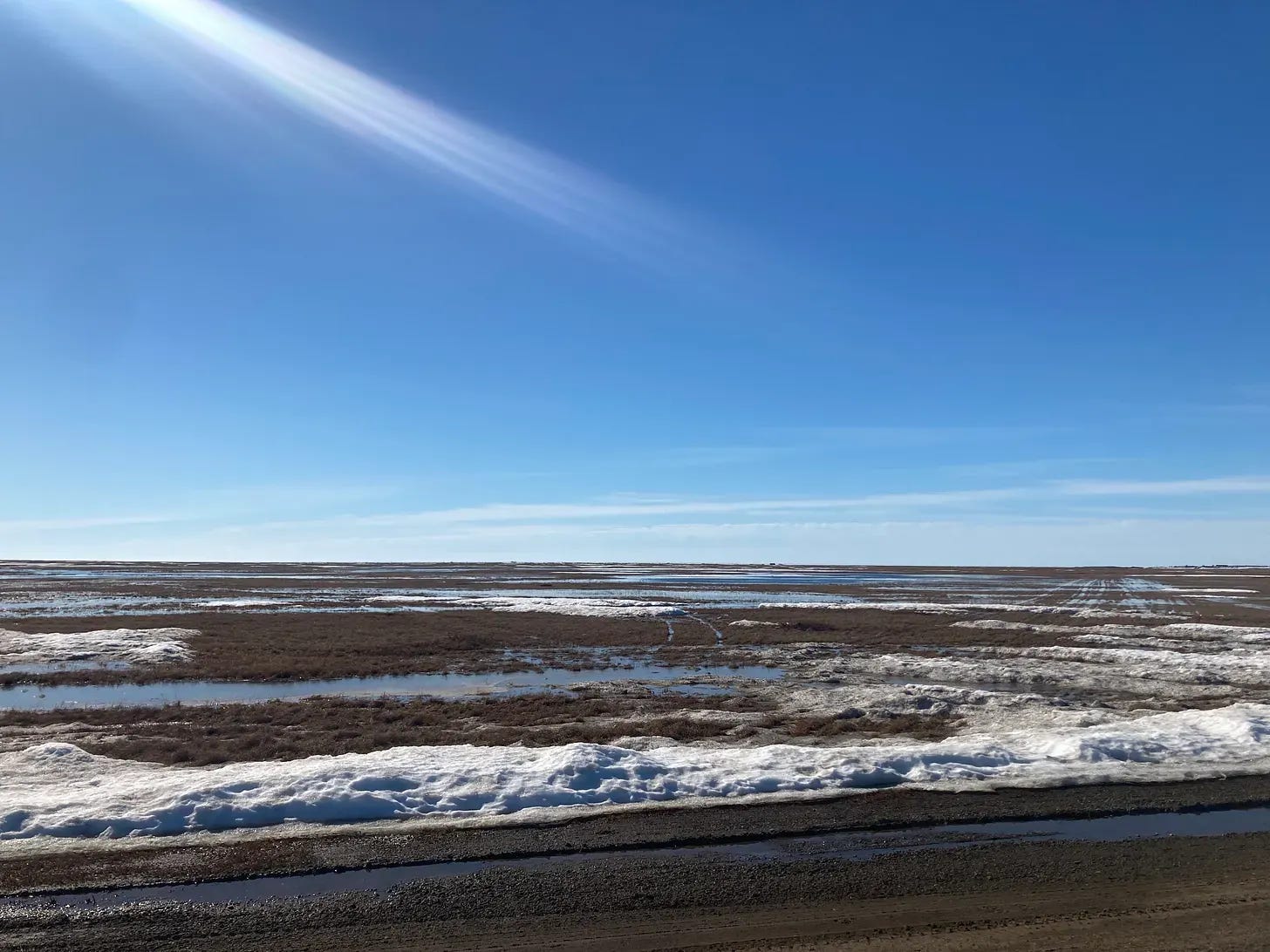
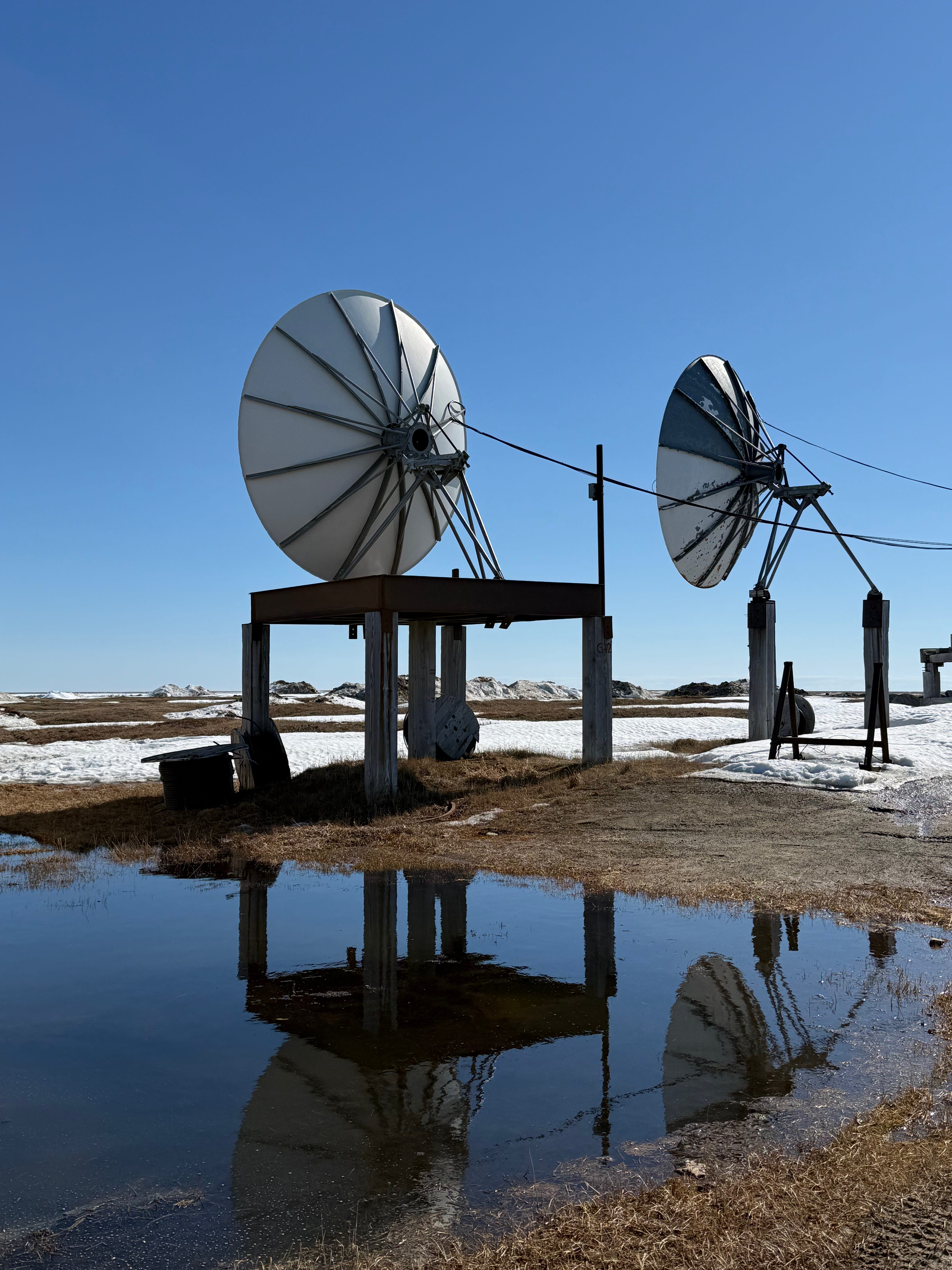
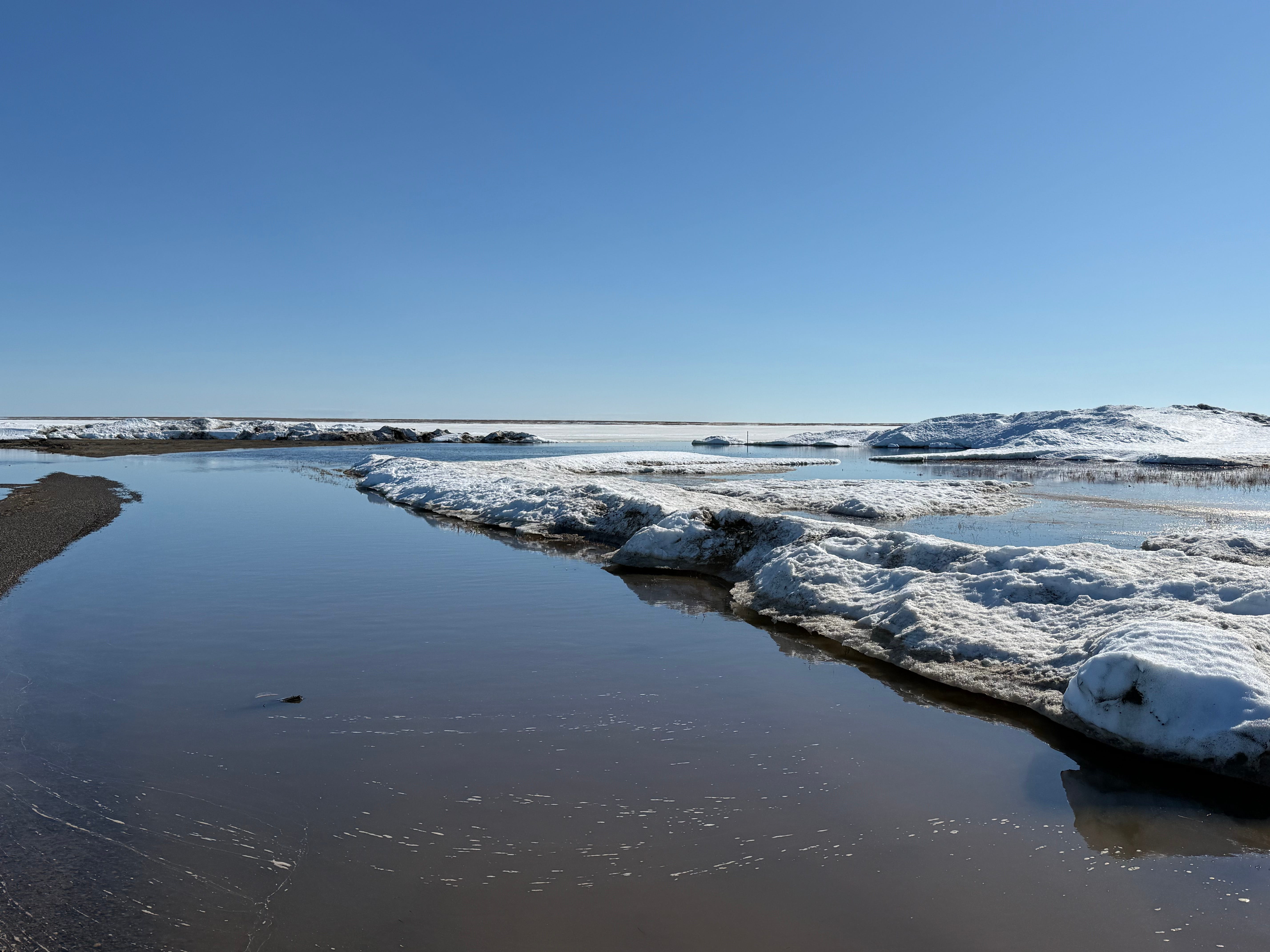
The next day, we drove on the likes of Gas Well Road and Cakeeater Road and Fresh Water Lake Road, where all this water filled with spectacled, Steller’s, and king eiders, Pacific and red-throated loons, tundra swans and greater white-fronted geese. Though the waterfowl had already paired off, shorebirds were still engaged in courtship rituals. In this treeless landscape, every snow mound, every hummock, every structure could be a male’s singing perch. They also sang in flight. Semipalmated sandpipers sometimes behaved like kestrels, kiting above the ground as they chattered. Here’s one that opted for a cross in a cemetery.
Pectoral sandpipers were a sight to behold. They flew low sweeping circles like a crop duster as they let out a strange, hollow hooting. They puffed out their chests, which were finely patterned like chain-mail. I learned later that they were inflating an esophageal sac to make those sounds.
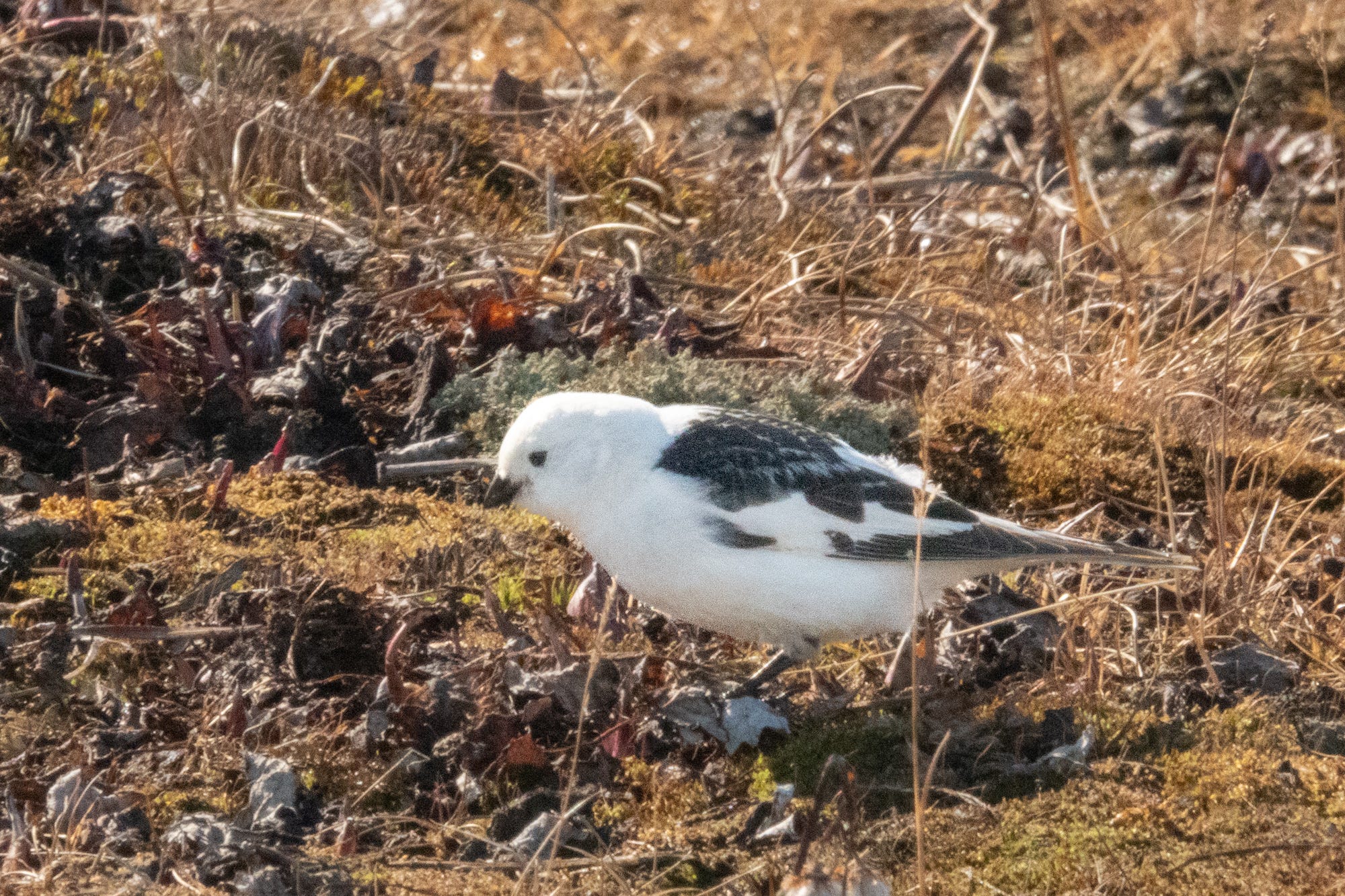
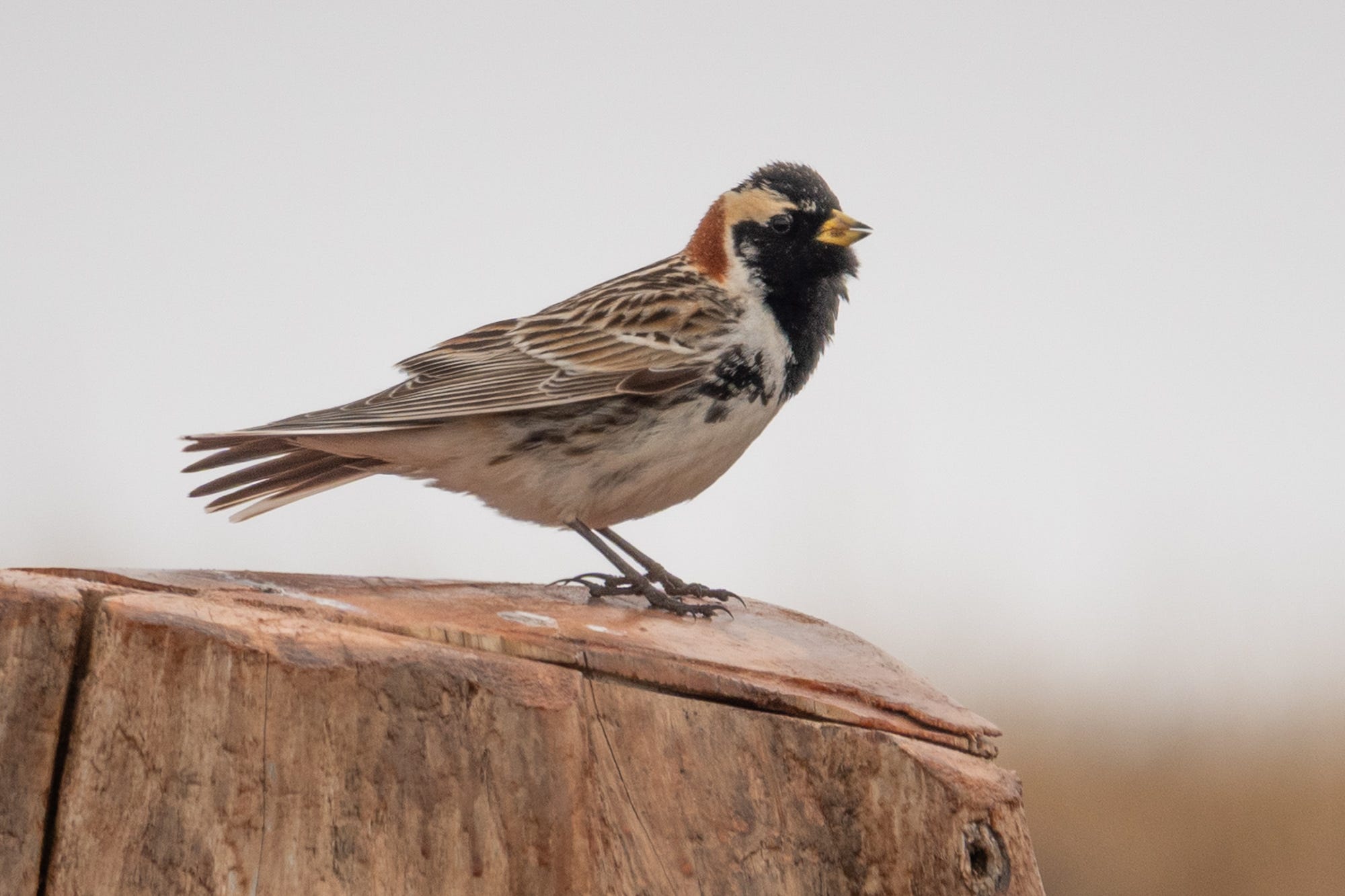
Snow buntings and lapland longspurs, the few passerines you find on the tundra, were everywhere. In the streets of Utqiaġvik snow buntings were like house sparrows. They built nests in pipes, buildings, or derelict equipment. Residents see them as good luck and erect boxes for them. At the campus of an old naval research lab—a dystopian scene of abandoned buildings and structures—I watched a snow bunting fly into what looked like Captain Nemo’s submarine in Twenty Thousand Leagues Under the Sea. The song of another snow bunting echoed inside a metal bridge.


By days three and four the roads we’d driven at the start of the week had become flooded and harder to pass. The numbers of birds in and out of town were dropping too. Still, we saw our share of rarities: a Pacific golden-plover, a brambling, a ruff, a Temminck’s stint. These are Old World, or Eurasian, tundra breeders.
The Temminck’s stint, which looks like a semipalmated sandpiper but with yellowish legs (nobody ever said shorebird identification was easy), was found by birders in a gravel pit in sight of the Arctic Ocean. Even in this place, humans shaped everything. There were gas wells and gravel pits and cemeteries and, yes, landfills new and old; all were foraging or nesting sites. In the grass around the airport was a snowy owl. At Point Barrow, the northernmost spit of land, we joined a local guide to look for polar bears. There were three on the sea ice. We watched them through binoculars and scopes from the dark-sand beach of the Arctic Ocean; next to us were the skeletal remains of a bowhead whale. The locals had dumped the carcass there more than a year earlier, in part to keep the bears away from town. They still walk onto land to pick at it and roll around in it—hence why the bears looked more gray than white.
We had watched extreme changes happen to this extreme landscape in a matter of days. On Friday, we returned our rental car to the lot. The puddles that had held birds on Monday were all but dry. There were no phalaropes in them, no birds at all.
But as I could soon see from the sky, great expanses of tundra were now theirs.
These Birds are Unique. Very Engaging Narrative ✅. Love from India Ganga 🎄
What an interesting trip!